Expert lectures highlight advances in tuberculosis research, CRISPR-Cas9-based gene therapy, transgenic crop development and lactoferrin-based molecular medicine
Lucknow: The third and concluding day of the 95th Annual Meeting of the Society of Biological Chemists (India) [SBC(I)], hosted by CSIR-CDRI, Lucknow, featured a series of scientific sessions exploring emerging developments in biochemistry, biomedical research, biotechnology and allied life sciences.
The day’s deliberations covered a diverse range of contemporary research areas, including biotherapeutics, structural biochemistry, viruses and phage therapy, parasite biology, RNA biology in the origin and evolution of life, bacterial infections and antimicrobial resistance (AMR), precision medicine, genomics and metagenomics, artificial intelligence and machine learning (AI-ML) in biochemistry and drug discovery, and plant biology and defence. The programme also featured student awards and the concluding session, providing a platform for scientific exchange and recognition of research contributions.
Several eminent scientists delivered insightful lectures on important scientific advances and their potential applications in human health, disease management and agricultural biotechnology.
Dr. Vinay Nandicoori, Director, CSIR-CCMB, delivered a lecture titled “Tuberculosis: From Molecular Mechanisms to Genomic Surveillance.” His talk highlighted the importance of understanding the molecular mechanisms underlying tuberculosis and leveraging genomic surveillance approaches to advance research, disease monitoring and control strategies.


Dr. Sauvik Maiti, CSIR-IGIB, spoke on “Indigenous CRISPR-Cas9 Tools: Advancing Gene Therapy Through Precision.” His lecture focused on the potential of indigenous CRISPR-Cas9 technologies to advance precision gene editing and strengthen research and development in gene therapy.
Dr. P. K. Singh, CSIR-NBRI, presented a lecture on “Engineering of a Bt Protein for the Development of Pink Bollworm-Resistant Transgenic Cotton.” The presentation highlighted the application of protein engineering and biotechnology in developing crop protection strategies against pink bollworm, a major pest affecting cotton cultivation.
Dr. Sujata Sharma, All India Institute of Medical Sciences (AIIMS), New Delhi, delivered a lecture titled “From Mother’s Milk to Molecular Medicine: Lactoferrin from Structure to Patient Care.” Her presentation explored the significance of lactoferrin, a multifunctional protein found in breast milk, highlighting the relationship between its molecular structure, biological functions and potential applications in patient care.
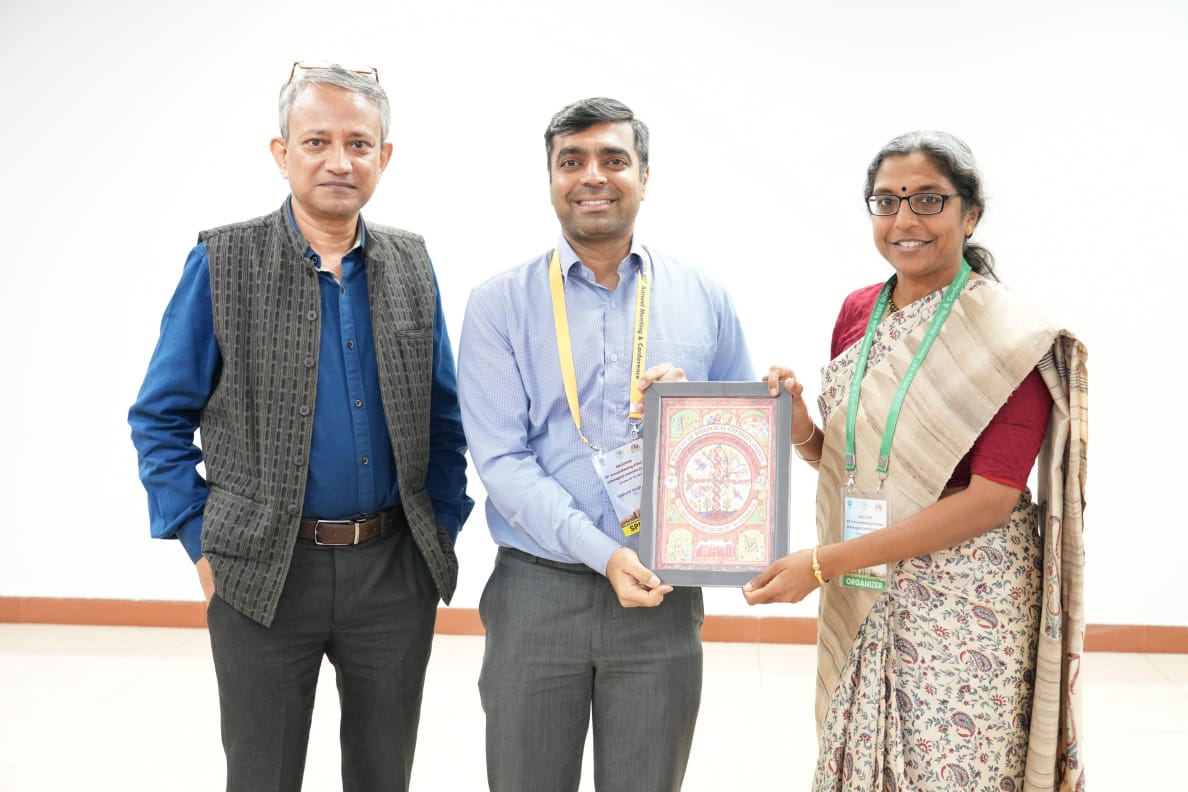
The student awards and concluding session marked the culmination of the three-day annual meeting, which provided a valuable forum for scientists, researchers, academicians and students to exchange knowledge, discuss emerging research directions and strengthen scientific collaborations.



 https://www.youtube.com/watch?si=RtToJsBhYBatUrym&v=mOuYNSdhjHA&feature=youtu.be